Have fun with these tips for a safe and enjoyable summer vacation.
Summer is a magical time on the South Coast, with sunny skies and miles of sandy shoreline where you may encounter more marine creatures than people. As you enjoy every moment, help keep the South Coast safe, enjoyable and magical for others. It’s easy to visit safely and responsibly by keeping in mind some simple tips.
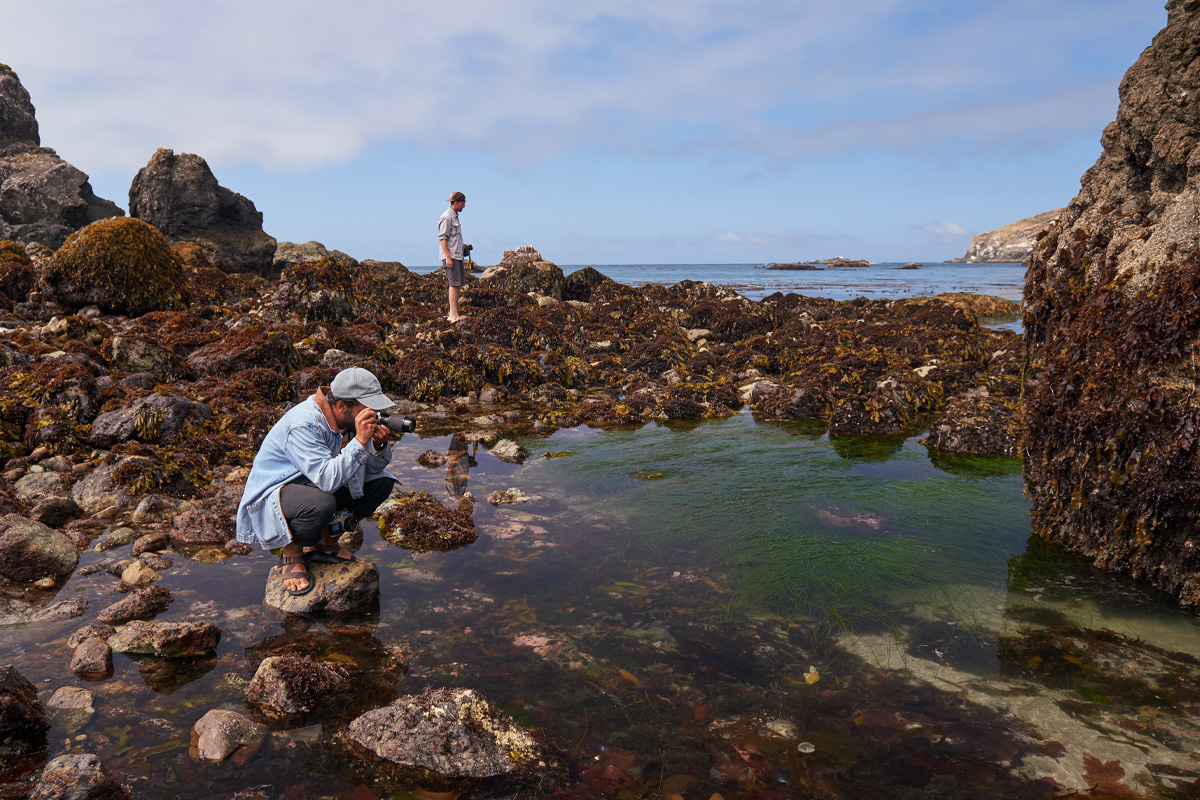
Keep the South Coast Clean and Accessible
Being kind to the South Coast starts before you head out to your destination. Check to see which Oregon State Park sites require day-use fees, and understand where to park. If your preferred parking area is full, try another beach nearby — there are miles of wide-open shores to choose from — or aim to arrive early for sunrises or later in the day at sunset.
Caring for the Coast also means practicing the Leave No Trace basics to keep our beaches clean for other travelers and safe for wildlife. Don’t forget to pack out what you packed in, properly dispose of waste, and respect all plants and animals.
Some experienced visitors like to drive on sand where it’s legal and safe — such as around Battle Rock Wayside Park in Port Orford; areas south of Cape Blanco State Park; Whiskey Run Beach north of Bandon; and North Jetty just north of Reedsport. It’s always a good idea to ask at a visitor center about local policies and tips to get started — like airing down your tires, obeying the speed limit and keeping an eye on the tides. Get an official state map with beach vehicle accessibility information from the Oregon Department of Transportation by calling 503-986-4000.
If you want to give back to the Coast, we’d appreciate your efforts to keep beaches clean and pristine. The environmentally minded nonprofit organization SOLVE hosts occasional, fun beach cleanups on the South Coast. To pitch in, check out the organization’s calendar.
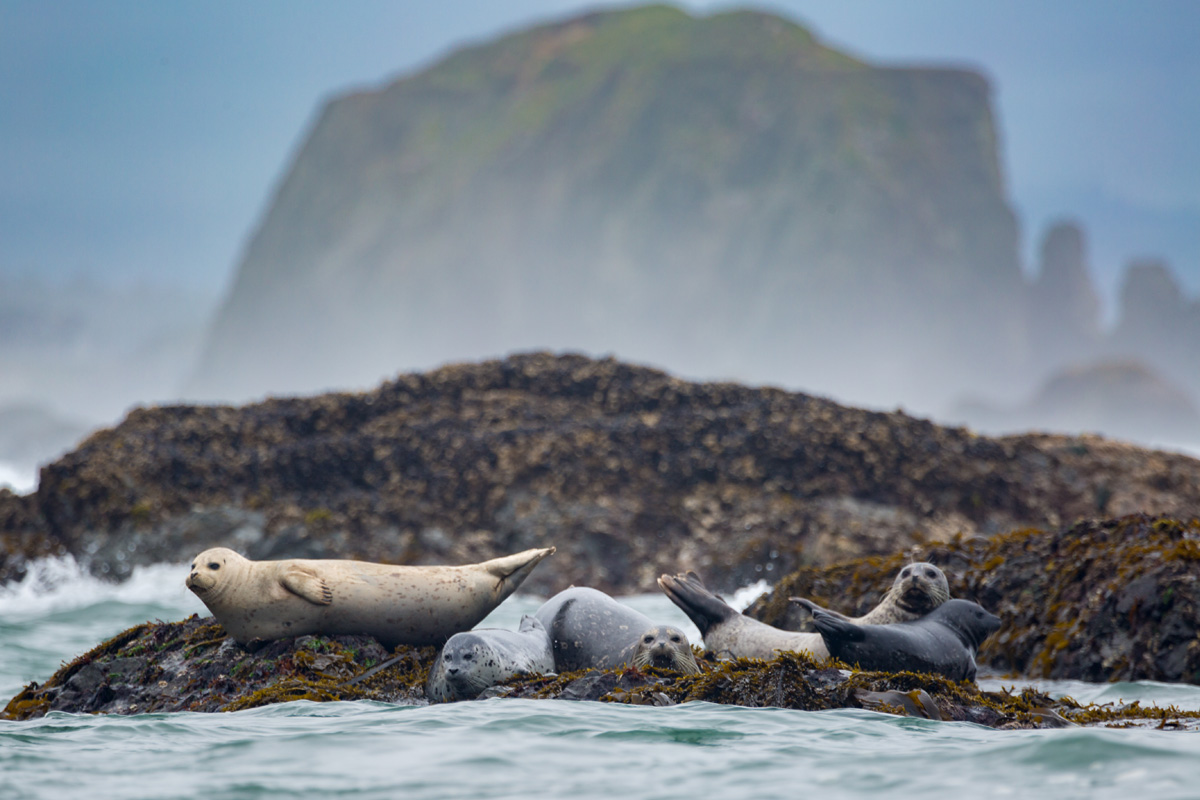
Respect the South Coast’s Wildlife
Part of what makes the South Coast so special is the abundance of wildlife you may encounter. Please admire wildlife from a respectful distance. That includes nesting birds and baby seals that wait onshore — perfectly safe — while their mothers hunt and feed at sea.
If you’re bringing a furry friend, Fido will love being able to run on the beach. Keep a leash handy — they’re required in state parks and are a good idea around other animals — and ensure your pup is responsive to voice commands.
Another thing to watch out for — tiny western snowy plovers nest between March 15 and Sept. 15, and you’re legally required to keep the endangered birds safe by following a few basic guidelines. Some beaches may have seasonal restrictions for dogs during nesting season, and you may want to look elsewhere to fly a kite or start a beach campfire. Look up western snowy plover restrictions for all you need to know about your desired destination.
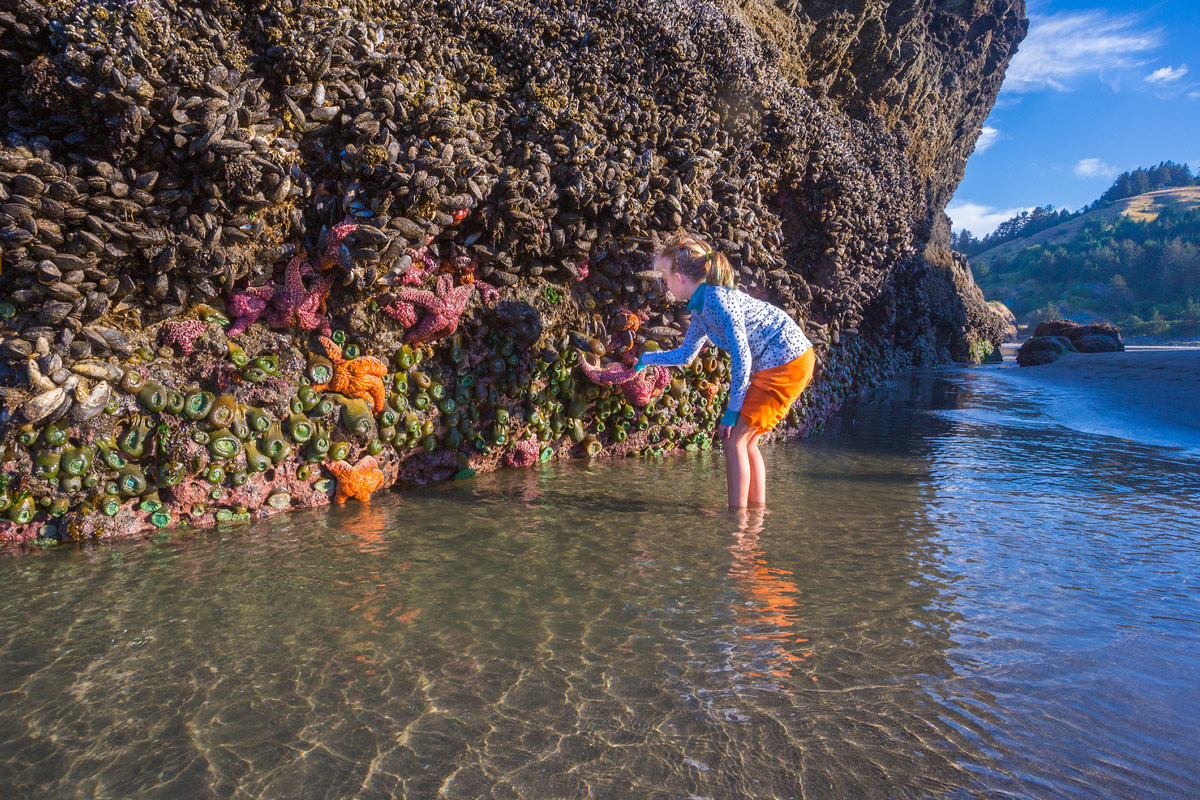
Tide pools — usually found in pools and rocky shorelines — are fascinating ecosystems full of sea stars, sea anemones and other wildlife that are only accessible at low tide. While tide pooling, wear durable shoes to stay stable, keep an eye on the incoming tide and walk only on sand and bare rock to keep small creatures safe.
No trip to the South Coast is complete without photos of picture-perfect sea stacks just offshore in many communities. The giant rocks are a part of the offshore island system, home to federally protected wildlife as part of the coast-wide Oregon Islands National Wildlife Refuge, so it’s best to admire them from the beach.
Stay Safe and Have Fun on the Beach
You’ll want to keep a few safety tips in mind for your visit. Check the weather forecast to make sure you’re equipped with the right gear and can plan for changing conditions. To see when it’s best to tide pool, check your destination’s tide tables, which are available online and at local visitor centers and hotels.
The Pacific Ocean is powerful, so you’d be smart to avoid climbing on driftwood, logs and jetties. Never turn your back on the ocean and watch out for sneaker waves. Signs posted on most beaches will have safety tips and other details, so check them out before heading to the sand.
Finally, if you’d like to build a campfire on the beach, you’ll have plenty of space to do so. Before choosing a site and buying a bundle of firewood, check fire restrictions with Oregon State Parks or at a local visitor center to see where you can build a fire. If small fires are permitted, always use store-bought wood, and build on dry sand and away from vegetation. When you’re ready to call it a day, drown the fire with water until it’s entirely extinguished and cool to the touch.
Top photo: Cape Blanco by Manuela Durson
