Spouts, Splashes, and Scenic Views
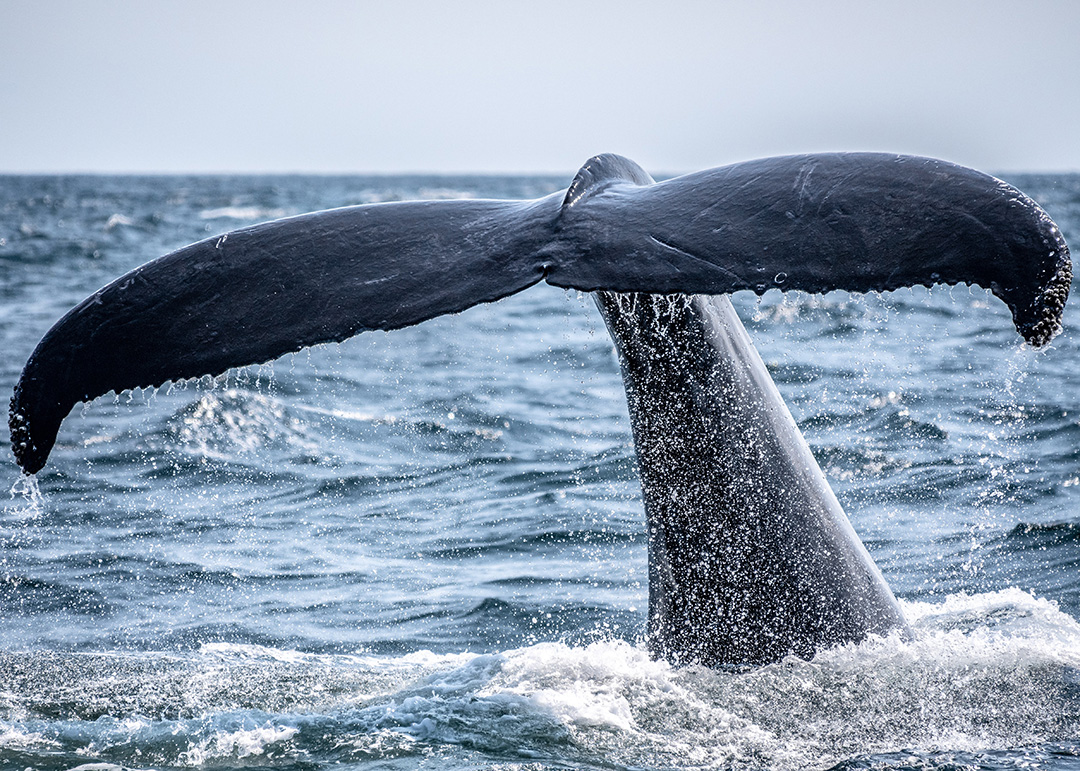
Imagine standing on a rugged cliff, binocs at the ready, when a massive gray whale breaches the surface. Its powerful tail slaps the water, sending a misty spray into the sky. This isn’t a scene from a documentary—it’s a regular sight on the Southern Oregon Coast. From Brookings to Reedsport, this stretch of coastline offers some of the world’s best whale watching opportunities.
Gray Whales – The Stars of the Show
While you might spot various marine life, gray whales are the true stars. Twice a year, over 20,000 of these giants embark on a 12,000-mile round trip between their icy Alaskan feeding grounds and the warm lagoons of Baja California. Luckily for us, their journey brings them right past our shores. To celebrate this incredible marathon, Oregon State Parks (OSP) hosts “Whale Watch Week” during the peak migration periods in late December and late March. During these events, OSP stations friendly volunteers at coastal viewpoints to help you spot whales and share fascinating facts about both migrating and resident pods.
Humpback whales are the second most-spotted, with the best viewing opportunities in August and September. From April to June, you may also catch a glimpse of orcas or other marine life, including minke whales, blue whales, sperm whales, Pacific white-sided dolphins, bottlenose dolphins, Dall’s porpoises, and harbor porpoises.
Prime Viewing
The entire South Coast is a potential whale watching viewpoint, but some spots offer exceptionally good odds. These state parks and waysides are elevated, providing an expansive, clear view of the ocean. Look for volunteers during Whale Watch Week.
Samuel H. Boardman State Scenic Corridor: Just north of Brookings, this 12-mile coastline is full of pull-offs and short trails leading to incredible views. The high cliffs are perfect for scanning the horizon for a tell-tale spout. Volunteers set up at Harris Beach State Park.
Battle Rock Wayside Park: Located in Port Orford, Battle Rock is both historically significant and naturally beautiful. Its accessibility and commanding perspective make it a favorite for whale watching. Find a good spot, settle in, and wait for the show to begin.
Shore Acres State Park: Perched atop rugged cliffs near Coos Bay, Shore Acres delivers dramatic, panoramic views of the Pacific. Visitors frequently spot gray whales lingering offshore, and the churning waves below add an extra dash of excitement to your lookout.
Face Rock Scenic Viewpoint: This viewpoint in Bandon offers a stunning panorama of the iconic sea stacks, including the legendary Face Rock. The elevated platform is an ideal place to watch waves and the whales that swim among these ancient stone monoliths.
Umpqua River Whale Watching Station: Located at the Umpqua River Lighthouse Museum near Winchester Bay, the station provides a sweeping view where the Umpqua River meets the sea.
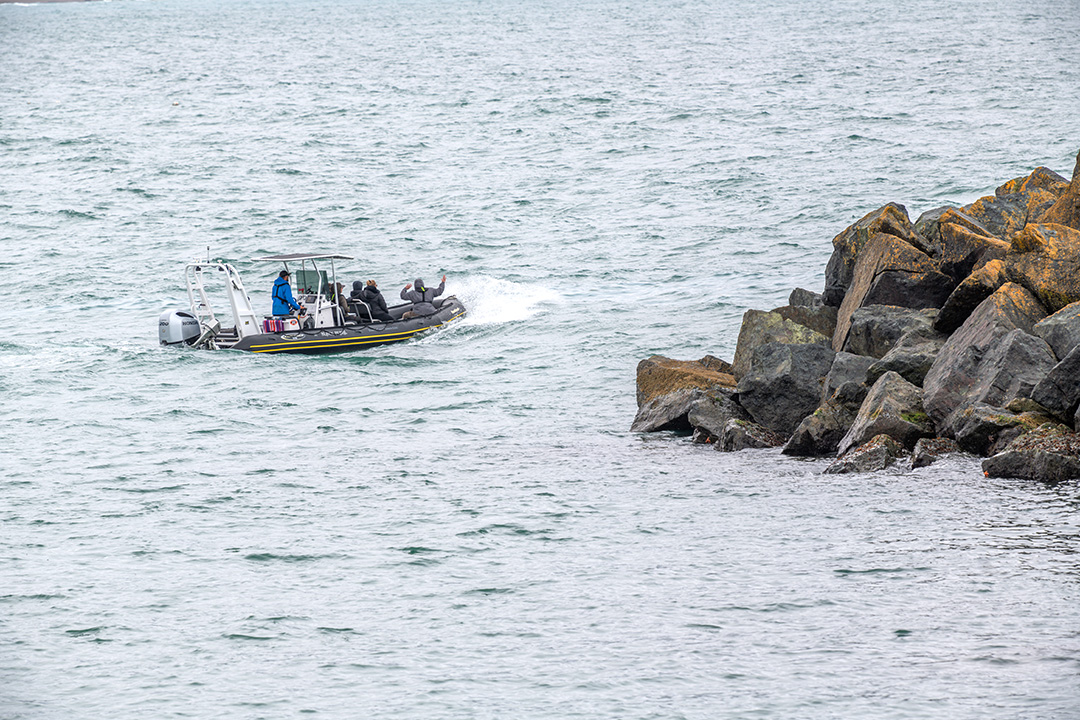
Want to get even closer? Book a trip with a local charter, like South Coast Tours. Several other local guides, including Sharkys Charters, Tidewinds Sportfishing, and Lucky Me Charters, also offer whale-watching tours upon request. These experienced captains know exactly where the whales like to hang out, and love sharing insights into their fascinating behavior.
Discover the Magic
Watching whales here is more than just a lucky sighting. It’s a chance to connect with the raw, untamed beauty of our region. There’s something special about feeling the power of the Pacific, wandering through our charming seaside towns, and making memories that stick. So, grab your binoculars and a warm jacket, and come see for yourself why the Southern Oregon Coast is a dream for whale enthusiasts.
Tips for a Whale of a Time
A little prep helps make your whale watching experience comfortable and successful.
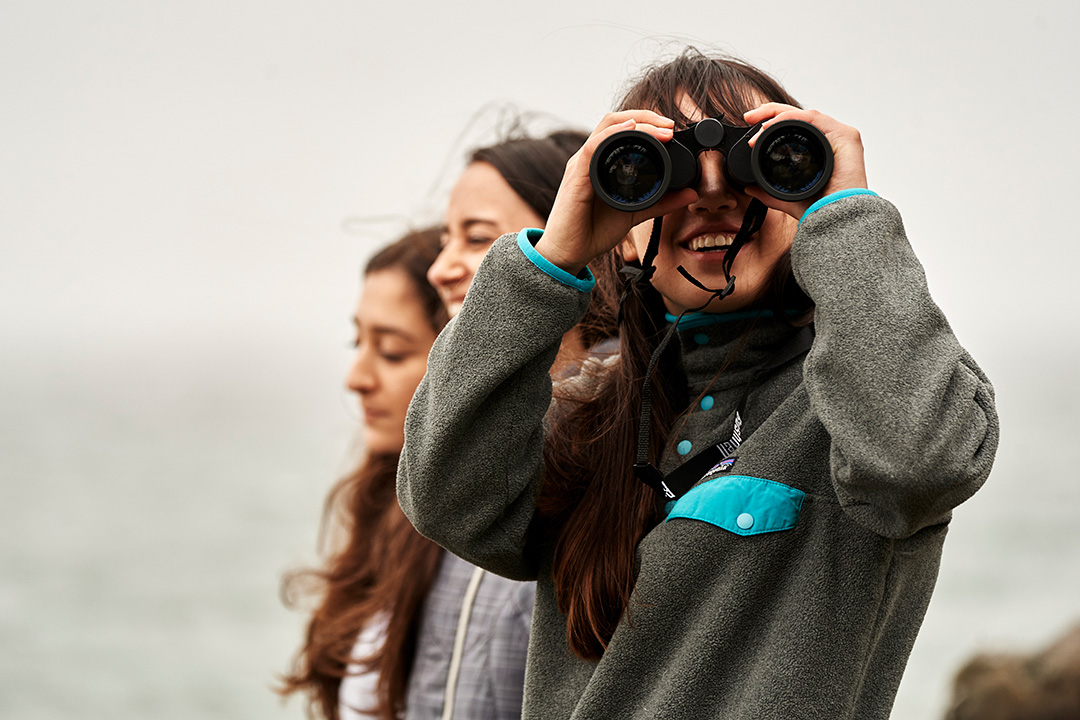
- Bring Binoculars: A good pair of binocs allows you to see details you’d otherwise miss.
- Dress in Layers: Coastal weather can change in a heartbeat. Wear layers, including a waterproof jacket.
- Practice Patience: Whales operate on their own schedule. Find a comfortable spot and enjoy the scenery while you wait—the reward is well worth it.
- Look for the Spout: The first sign of a whale is usually its spout—the cloud of vapor it exhales when it surfaces. On a calm day, you can see a spout from miles away.
